
Understanding Forex Trading: A Comprehensive Guide
Forex trading, or foreign exchange trading, is the act of buying and selling currencies in pairs to profit from changes in exchange rates. It is one of the largest financial markets in the world, with a daily trading volume exceeding $6 trillion. This article will explore the fundamentals of Forex trading, its mechanisms, strategies, and associated risks. To get more insights and tools for successful trading, visit forex trading explained FX Trading UZ.
What is Forex Trading?
The forex market is where currencies are traded. Unlike other financial markets, it operates 24 hours a day, five days a week, providing traders with the opportunity to engage in trading at any time. Forex trading involves speculating on the value of one currency against another, using a wide range of tools and indicators to make informed decisions.
The Basics of Forex Trading
Before diving deep into strategies and techniques, it’s important to understand some basic concepts:
- Currency Pairs: Currencies are always traded in pairs, such as EUR/USD (Euro/US Dollar) or GBP/JPY (British Pound/Japanese Yen). The first currency in the pair is the base currency, while the second is the quote currency.
- Bid and Ask Price: The bid price is the price at which a trader can sell a currency pair, while the ask price is the price at which they can buy it. The difference between these two prices is called the spread.
- Leverage: Forex brokers often offer leverage to their traders, allowing them to control a larger position with a smaller amount of capital. While this can amplify profits, it can also magnify losses, making risk management crucial.
- Pips: A pip is the smallest price movement that a given exchange rate can make, reflecting changes in the currency values.
How Forex Trading Works
Trading in the Forex market involves speculation, meaning traders are trying to predict future currency movements. Here’s how it generally works:
- Market Analysis: Traders analyze market conditions, using either fundamental analysis—focusing on economic indicators, news, and reports—or technical analysis—studying price patterns and indicators on charts.
- Placing Orders: After analysis, traders can place different types of orders. Market orders are executed immediately at the current market price, while limit orders are executed at a specified price.
- Managing Positions: Traders monitor their positions and can use tools like stop-loss orders to minimize potential losses and take-profit orders to lock in gains when targets are met.
Strategies for Successful Forex Trading
Many traders adopt various strategies based on their risk tolerance, market perceptions, and objectives. Here are a few commonly used Forex trading strategies:
1. Day Trading
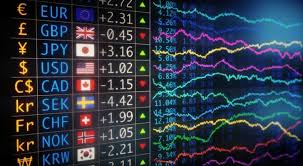
Day trading involves buying and selling currency pairs within the same trading day. The goal is to capitalize on short-term price movements, often employing high leverage.
2. Swing Trading
Swing traders hold positions for several days to capture price swings in the market. This strategy requires a bit more patience and is based on technical analysis, without focusing excessively on daily fluctuations.
3. Position Trading
This long-term strategy involves holding positions for weeks, months, or even years, based on fundamental analysis. Position traders focus on economy-wide events and macroeconomic indicators.
4. Trend Trading
Trend trading involves identifying and following market trends, buying in an uptrend and selling in a downtrend. Traders analyze charts looking for established trends, often using moving averages to confirm their direction.
Understanding Risks in Forex Trading
Trading currencies can be lucrative, but it comes with inherent risks. Here are some key risks traders should be aware of:
- Market Risk: Currencies can fluctuate heavily due to economic, political, or social events, and unexpected moves can lead to substantial losses.
- Leverage Risk: While leverage can magnify profits, it can also increase losses. Over-leveraging a position can wipe out a trading account quickly.
- Interest Rate Risk: Changes in interest rates can affect a currency’s value. If a country raises interest rates, its currency may strengthen, and vice versa.
- Liquidity Risk: In extreme market conditions, it may become challenging to close a position without significant slippage.
Conclusion
Forex trading offers a dynamic and potentially lucrative opportunity for investors willing to navigate its complexities. Understanding the fundamentals, strategies, and risks is essential for successful trading. Whether you choose to day trade or adopt a longer-term strategy, the key is to stay informed and practice responsible risk management. As you delve into the world of Forex trading, consider utilizing resources and tools available at platforms like FX Trading UZ to enhance your trading journey.
Leave a Reply